September's Quality Quick Win
Author
Key takeaways for implementing tomorrow
Before any documentation is drafted, schedule one short meeting, workshop or open forum to test the proposal while it is still an idea.
Widen the invitation list beyond the programme team and quality colleagues to include marketing, finance, admissions, student services and student representatives.
Keep any presentation brief and protect most of the session for open questions and discussion.
Capture the questions and suggestions raised and route them back to the programme team so they can be built into the proposal from the start.
Scale the forum to your institution's size: an open meeting suits a small, specialist provider, while a workshop or series of smaller sessions may suit a larger one.
Resist the urge to add a new committee or sign-off stage – the value comes from the conversation itself, not from additional process.
View the Quality Quick Win series.
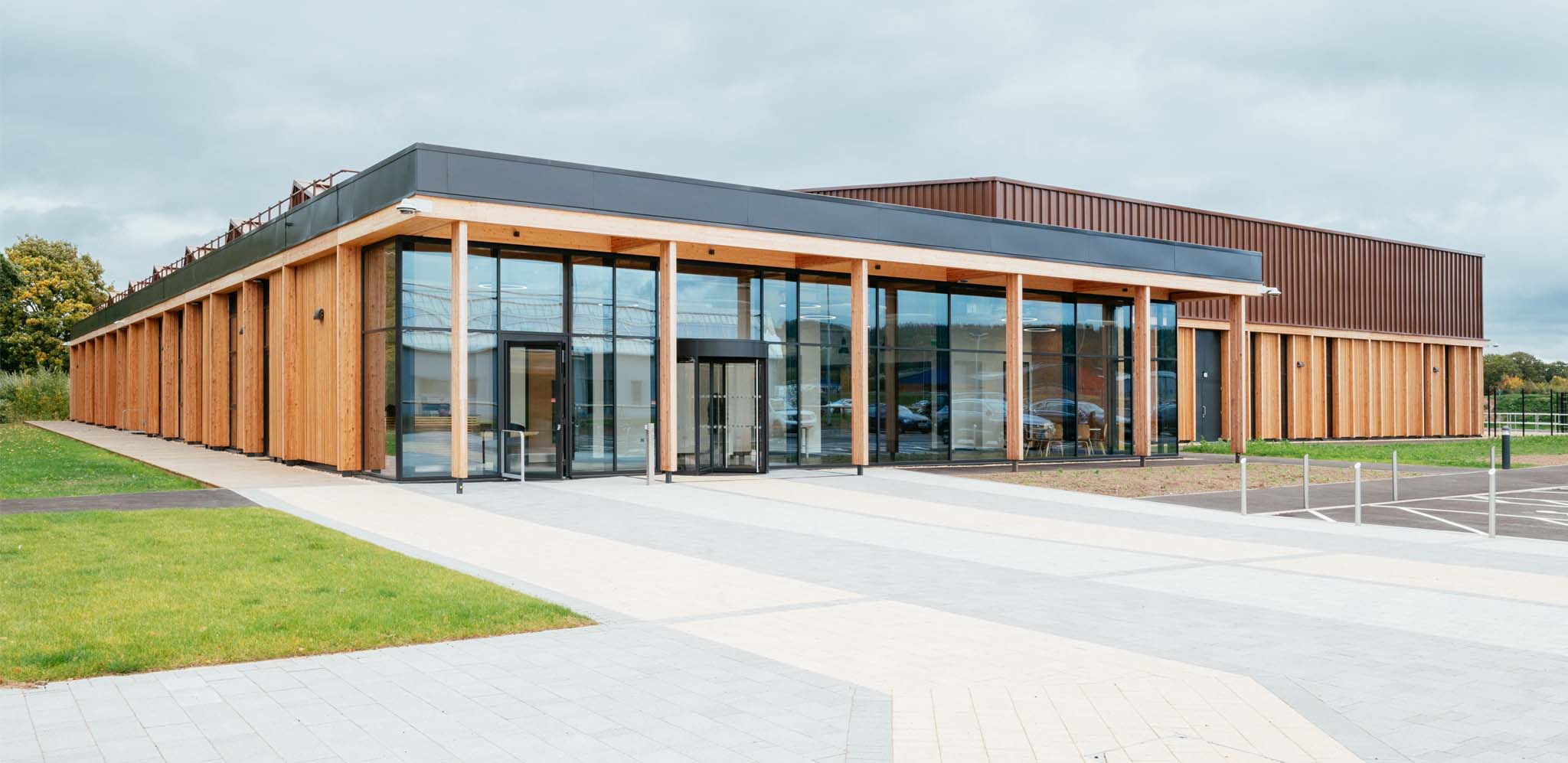
At NMITE (New Model Institute for Technology & Engineering), an open meeting held before any programme documentation is drafted lets colleagues from right across the institution test and strengthen new programme ideas from the outset.
The challenge we are trying to address
When a new programme is being developed, the instinct is to get straight into writing the programme specification, module descriptors and the rest of the approval documentation.
Left unchecked, that instinct means the first real scrutiny a proposal receives often comes after significant time has already gone into detailed paperwork.
Issues around student experience, resourcing, admissions, marketing or practical delivery then surface late, once changes are harder and more time-consuming to make.
What to do
NMITE built one open conversation into the very first stage of its programme approval process, before any documentation exists.
The Programme Development Lead gives a short outline presentation of the proposal, and colleagues and student representatives from across the institution, not just academic and quality staff, are invited to question and discuss it.
People decide what the proposal should look like; the meeting's role is simply to create the space and the widened audience for that conversation to happen early.
What this looks like in practice
- The Programme Development Lead prepares a short outline presentation covering the proposed programme's rationale, target audience and fit with institutional mission - no programme specification or module descriptors exist at this stage.
- The invitation goes out institution-wide, beyond academic and quality colleagues to marketing, finance and student services staff, plus student representatives, so the room reflects the full range of people the programme will touch.
- The session is deliberately short on presentation and long on discussion: the presentation itself takes only a few minutes, leaving the bulk of the meeting for open questions.
- Discussion is structured around testing the idea rather than checking documentation: is there a clear need, who is it for, does it fit institutional mission, where could the curriculum be strengthened, and what are the implications for student experience and resourcing.
- Questions and suggestions raised in the meeting, whether academic, or about admissions, library resources or employability, are captured and fed back to the programme team to build into the proposal from the outset.
- Only once this conversation has happened does the programme team move on to drafting the programme specification, module descriptors and the other documentation needed for formal approval.
Why this works
- It draws in expertise the programme team would not otherwise think to ask, since admissions, marketing, library and employability colleagues each spot different risks and opportunities.
- It prevents costly rework, because suggestions can be built into the programme from the outset instead of retrofitted once documentation is complete.
- It builds shared ownership: colleagues from across the institution help shape the idea before it becomes a formal proposal, rather than encountering it cold at a later approval stage.
- It speeds up the later stages of formal approval, because many of the key issues have already been discussed and addressed by the time a fuller proposal is submitted.
- It adds no new committee, panel or paperwork – the improvement comes from redirecting an early conversation, not from a heavier process.
Example of impact
The evidence for this practice is qualitative rather than numerical at this stage: colleagues consistently raise questions, often about admissions, marketing, student support or library resources, that the programme team had not considered, and the institution reports a stronger sense of shared ownership over new programmes as a result.
NMITE has not yet quantified the time saved at later approval stages, so institutions adopting this approach may wish to track the number and type of issues surfaced at this early meeting versus those raised at final approval, to build a firmer evidence base over time.